
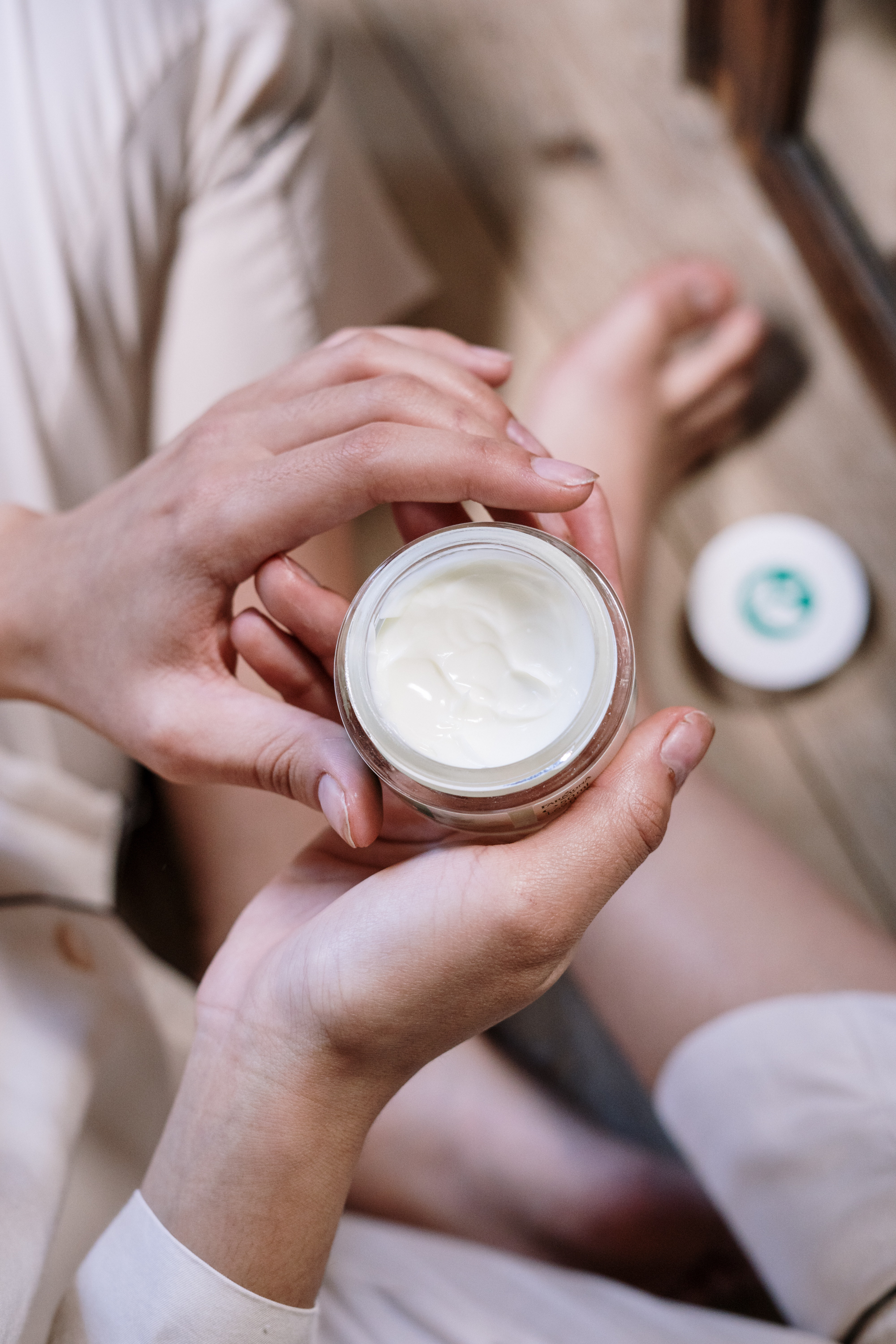
Niacinamide and its benefits for the skin
Recently, niacinamide has quickly gained popularity within the skincare market, but what exactly is this substance? What is it for? And why is it so beneficial for my skin? We'll explain why niacinamide is the ingredient all skin types need in a skincare routine.
Niacinamide, also known as nicotinic acid or nicotinamide, is a vitamin (B3) commonly found in fish and meat. Since it is a molecule that is quite benign for human body absorption, vast benefits of niacinamide on the skin have been found. Formulations containing Niacinamide can be in high concentrations because two researchers, Feldmann and Maibach, have shown that this compound has a very high penetration rate into the skin.
Among the most notable benefits of topical niacinamide application are its rapid absorption into aging skin, generating young cells within the epidermis, reducing wrinkles, and improving elasticity. It significantly speeds up wound healing and retains moisture within the skin. Niacinamide is ideal for treating irritation-prone skin, as it is an excellent topical soothing agent for rosacea.
Niacinamide also has the ability to reverse sun damage, correcting hyperpigmentation caused by UVA-UVB rays. Likewise, it even has a preventive action against skin cancer, as it has been proven to inhibit photocarcinogenesis caused by solar radiation.
Topical niacinamide provides a potent anti-inflammatory effect in the treatment of acne vulgaris, while also possessing the ability to reduce facial oil, which makes it a perfect substance for oily and sensitive skin. Among other effects, it minimizes pore appearance and improves skin texture. Niacinamide has the collateral action of producing keratin, elastin, and collagen.
In general, niacinamide has positioned itself among the top most popular cosmetic ingredients due to its wide variety of benefits for human skin and its safe application and handling.
References:
W Gehring. (2004). Nicotinic acid/niacinamide and the skin. Ed-3. Hautklinik am Klinikum der Stadt Karlsruhe, Karlsruhe, Germany. Blackwell Publishing Ltd.
Draelos Z. D., Ertel K., Berge C., (2005). Niacinamide-Containing Facial Moisturizer Improves Skin Barrier and Benefits Subjects With Rosacea. Ed-76. THERAPEUTICS FOR THE CLINICIAN.
Wohlrab J. Kreft D., (2014). Niacinamide – Mechanisms of Action and Its Topical Use in Dermatology. Skin Pharmacology and Physiology.

Written by Andrea Rodriguez

 Contáctanos en WhatsApp
