
Article: Seasonal changes in our skin: How do they affect us?
Seasonal changes in our skin: How do they affect us?
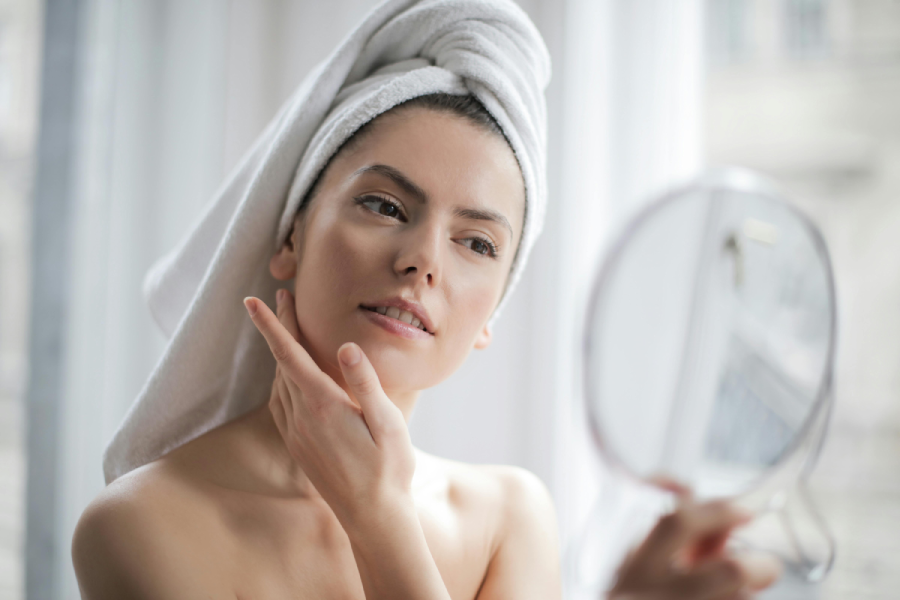
Have you ever felt that your skin type changes with the seasons, and that cream you used in winter to hydrate your skin feels greasy in summer? We want to tell you about the seasonal changes in your skin!
It's hard enough to find skincare products that suit your skin type, provide the simplicity you need, help hydrate, correct imperfections, and then BAM! Summer arrives, and that same product you loved and that did so much good for your skin now seems to be ruining all your progress.
The combination of weather and the methods we use to combat the cold can trigger dryness and irritation in the skin. It can become flaky on the face and body, showing a greater propensity for inflammation and redness. Regularly exposed areas, such as hands and lips, suffer from irritation, dryness, and cracking.
When temperatures drop and humidity decreases, your skin cries out for hydration. Cold can cause cracks in the superficial layers of the skin, inflammation, and generalized dehydration, which can significantly impact its health.
This phenomenon is due to the weakening and drying of the skin barrier, aggravated by entering overheated environments with dry air. You are likely to suddenly experience itching and a feeling of dryness.
This can lead to the accumulation of dry skin, clogging pores and triggering breakouts or rashes. Additionally, during the colder months, many of us tend to consume less healthy foods, which also affects the skin's hormonal balance.
Typically, during colder seasons, it is necessary to use products that moisturize and hydrate the skin to provide the oils the skin needs in dry climates. Rodia Multi-purpose Oil and Cefeo Hydrating Serum are indispensable products to provide the skin with the oils and hydration it needs during cold weather.
With the arrival of warmer weather, humidity and temperatures rise again. The skin tends to become oilier and heavier, trapping dirt and dead cells on its surface.
If your skin is usually normal, it may become oilier during the warmer months, which can trigger acne breakouts.
Higher temperatures promote sebum and sweat production, which clogs pores. Additionally, spending long periods in the sun can affect pigmentation and lead to the appearance of sun spots.
During the spring/summer season, it is an excellent time to correct unwanted imperfections. Eris Cream is an excellent option for generating new cells, significantly speeds up healing, is a topical soother for rosacea, and reverses hyperpigmentation caused by UVA-UVB rays.

Written by Andrea Rodriguez
 Contáctanos en WhatsApp
