
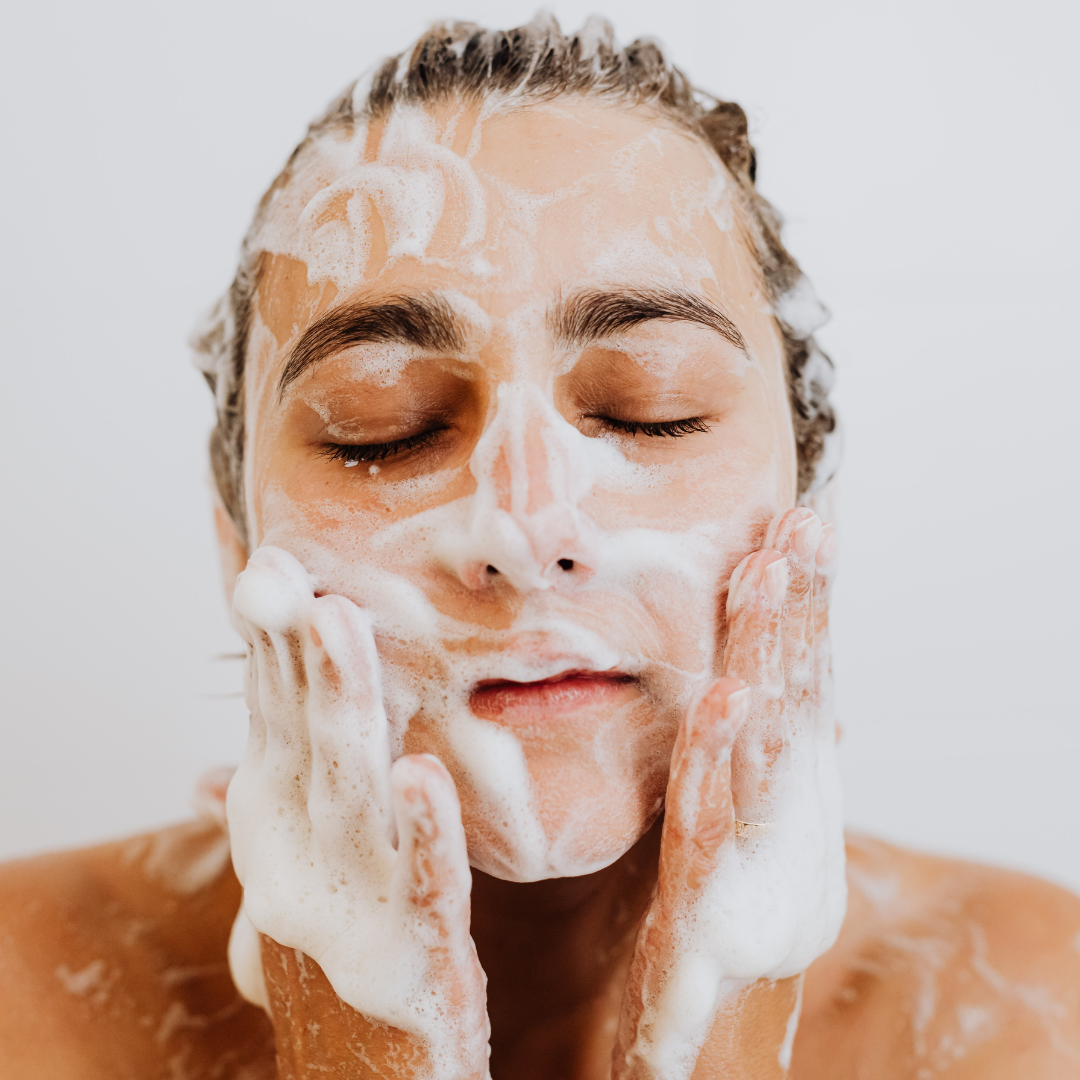
Why salicylic acid is the best ally in facial cleansing
Cleansing is an important part of personal health and hygiene, resulting in the removal of dirt, bacteria, and unwanted dead skin cells, which theoretically should allow better percutaneous penetration of topical drugs/medications. When soap was first developed many years ago, it was primarily used for cleaning purposes, but over the decades, the function of skin cleansers, which has gone beyond true soaps, has transformed to encompass both health and cosmetic benefits.
Over time, true soap has evolved into much more than a cleansing agent; now, soap-free skin cleansers are marketed to diminish the aged appearance of the skin, soften it, and improve overall skin health.
In general, the purpose of a facial soap is to remove any makeup residue, dirt, excess oil, sunscreen, pollution remnants, dead cells, etc. But is there a way to enhance the action of soap and provide extra benefits? And the answer is yes.
Salicylic acid is an active skincare ingredient that provides several benefits: it exfoliates the skin, controls excess sebum (oil) production, and keeps pores clean. Due to these benefits, it makes a perfect ally for facial cleansers. It is also excellent for oily skin and can refine and refresh the skin if used daily. Within salicylic acid is a substance called salicin, which contains anti-inflammatory properties, reducing the redness and pain often caused by acne and sunburn.
Topical salicylic acid is also used to clear and prevent the appearance of pimples and other skin blemishes in people with acne. It is also used to treat skin conditions characterized by scaling or excessive growth of skin cells, such as psoriasis (a skin disease in which red, scaly patches form on certain areas of the body), ichthyosis (congenital diseases that cause dry, flaky skin), dandruff, calluses, corns, and warts on the hands or feet.
Salicylic acid concentrations ranging from 0.5% to 10% have been recommended for acne (various brand and generic names, numerous manufacturers), but 2% is the maximum concentration allowed in over-the-counter acne products in the U.S.
And you, have you already incorporated a facial cleanser with salicylic acid into your skincare routine?

Written by Andrea Rodriguez

 Contáctanos en WhatsApp
